I don’t always like the conversations that start when folks find out I’m a writer… sometimes it’s all about their own book idea, and they’d LOVE an experienced partner to work with, or they’ve got a draft, could you read it?
Once I was stuck at a wedding, and a relative told me very earnestly that they’d had the idea for Terminator years before the movie ever came out, they just never wrote it down. And something something motorcycles. And I was underage, so drinking was right out. That’s when I learned the following- Ah.. how interesting… cock head, nod earnestly, wait for the end. It’ll be awhile. Come to think of it, I may have found the conversation more interesting if I’d ever seen the Terminator movies.
But this question… this question I really love getting.
How do you write a book?
Please understand, I can’t tell you all the ways to write books. I’m going to tell you how I do it. And if you want to know how Stephen King does it, he wrote a fantastic book called ‘On Writing’ that I highly recommend if you’re going to be delving into fiction, particularly genre fiction.
The Preparation-
First order of business- pick a spot. It’s a spot that is comfortable to sit in for long periods of time, with soothing sights and smells. It’s reasonably quiet, and you can see yourself spending long periods of time here. My spot changes sometimes, and no, I’m not absolutely dependent on it (one of my books was finished in the cab of a Toyota Tacoma on the I-40 outside Flagstaff), it’s just a grounding/focusing point. One year, I wrote in my courtyard, surrounded by plants in bloom and the tinkling of a fountain. This year, I was on the new chaise lounge that I absolutely did not want to buy cause I thought it was lame with a side table that had a vase full of fresh flowers and a blanket to pull up over my knees. This area should also remain reasonably tidy… and you may want to plan an extra ten minutes or so before your scheduled writing time to make SURE it’s tidy.
Pick a method- my first manuscripts and short stories were written out longhand. I found myself laying down the writing because I’m apparently really bad at actually writing stuff and it made my hands hurt before I ran out of ideas. Since then, I’ve employed a long series of laptops, from a black and white monitored IBM Thinkpad with 4 megs of RAM to an Asus Transformer 1000, to the trusty Asus Zenpad I just retired this year. I picked up an Asus Chromebook 11.6″ CX22NA-BCLN4 for just over a hundred bucks off Amazon, and I think it’s got a couple of books in it. I also use Google Docs because it makes it easy to access my drafts no matter what device I’m using. Sometimes I’ll want to read over a chapter while I’m out to dinner on my phone and leave myself an editorial note… Google Docs works well for that.. and for sharing with my alpha readers.
Find instrumental music that helps you find your creative mojo- I’ve got a playlist of classic jazz I’ve used for years. I want to stress keeping it instrumental as much as you can, and put your favorite piece last on the list. Always listen to the list in the same order… you’re using this to train your mind that when X plays, it’s time to be doing Y. Stupid human trick, and it definitely works on me. I will say if you’re spending more time grooving to the music than finding your creative center- you need to swap it out. A nice thing about this rule is that if your spot can’t be quiet, you can use earbuds and override the noise.
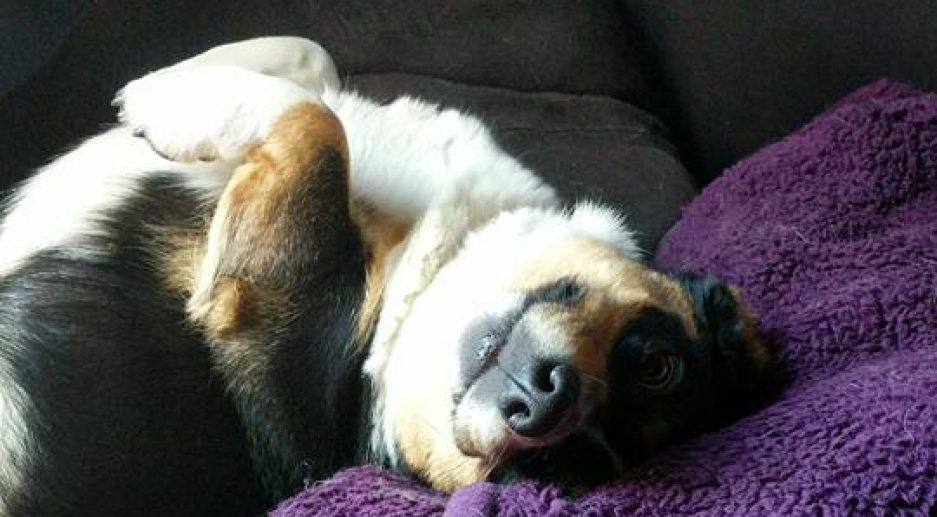
Scheduling- pick a two hour block every single day and commit to it. I really can’t stress this enough- it’s like building any other routine. It’s okay to skip a day occasionally, but instead of skipping, try moving an hour or two one way or the other. November is my writing month, and on weekends, I’ll typically try to get up before Rick does and nail down my word count (1500) so the story isn’t pressing on my mind and we can enjoy the day together. But I really try very hard not to skip days if I can help it. This is also going to take some expectation setting for the household… I think of it as the ‘you better be on fuckfire before you bug me right now’ rule. If only I was able to make the corgi understand it.
Now, you got all that? Cool, planning time!
Put yourself very specifically in your spot with your notepad or whatever brainstorming device you like to use and turn on your music and start making notes. I’m not saying you want to nail down every element of the story/what you want to say- wandering around in your thoughts and words can lend to some of the best pieces you ever work on. But before you start getting in your word counts, you should absolutely have a sense of beginning, middle, and end, along with some themes you want to highlight. Or, if you’re going non fiction, every point you want to make sure you cover.
This one’s hard… stop reading. For about a month before I start a new book, I will not read anything new. I end up being very informed during the month of October because I read a lot of news articles to wean myself off my fiction addiction. (Yes, that’s totally a thing.) I also probably spend too much time looking at social media during this time, again, to feed the need.. the need to read. Reason for this one is real simple- you want to block out all those other voices of writers so you can find your own more easily.
The next one is my big cheat and how I kind of wrote a most of a book without exactly planning to. I think it’s important to know your character, and I got bored with the typical writing prompts (what does your character have in their pockets? fucking lint! next!) and I stumbled on therapy writing prompts. You want to talk about putting yourself in the character’s shoes? Write about why they are screwed up, the events and trauma that got them that way. What’s that? Your character has no trauma? Then why are they interesting? I used this to get to know Nessa as I was prepping for book one, and I found her voice within days. And then I looked over the initial therapy journal entries and read them to a few people, who laughed in the right places, and decided it was a good way to keep going.
And now I’ve been with Nessa for six books. She’s fun.
For non fiction, think about who you are writing that book for, and write to them like they are your best friend, like they are going to find the topic as deeply interesting as you do, if you just bring them along with your explanation. I’ve only done two of these, so the method isn’t as polished yet.
Now- the hard part, and I can’t improve upon Anne McCaffrey’s advice- to paraphrase, apply ass to chair and WRITE. Given the practice and discipline, you’ll actually miss the routine. You’ll hear the cue to get started and be ready and focused in minutes.
I will say, when I first started, it took me 2 1/2 to 3 hours to come up with 1500 words. This last book, I could get there in about 45-65 minutes, and I know that by the length of my playlist and the fact that I didn’t have to have it on repeat. I was almost always wrapping up as the super long extended version of Rhapsody in Blue came on, and from there I’d just lean back and enjoy the music. In time, you’ll get flexible with it- one year I wrote most of my book in various waiting rooms around Albuquerque so I could drive my stepdad to his appointments. That was the year I did a bunch of messed up fairy tales, and the location switches didn’t break my concentration, cause I was already writing in concentrated bursts.
And that’s it.. that’s what I know about writing books, or at least, it’s how I do it. If it helps, cool! If it doesn’t, I’m sorry, that’s really all the ideas I have that have worked for me, I hope you find a way. My number one recommendation still has to do with applying ass to chair and WRITING.
 Curiouser and Curiouser